Hearing Aids

Hearing aids are sophisticated digital devices that are programmed to an individual’s hearing loss using computer software. It is essential that these devices are fitted by a professional to ensure they provide safe and appropriate levels of amplification, and deliver optimal benefit to the user.

At Evergreen Audiology, all hearing aid fittings are subject to a one-on-one fitting appointment with your audiologist and a 30-day trial. Hearing aid sales without appropriate, individual, clinical care are not available.

Hearing aids aren't what they used to be

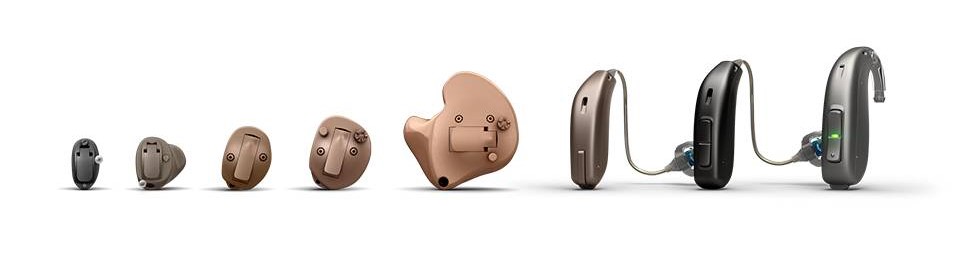
Hearing aids are available in a wide range of sizes and styles to accommodate any degree of aidable hearing loss from very mild, to severe-profound. The majority of today’s hearing aids are sleek, discrete, and highly innovative, including great features such as AI-trained automatic speech in noise support, Bluetooth connectivity (for audio streaming, hands-free calls, and mobile Apps for real-time fine-tuning), lithium-ion rechargeable batteries, and a range of wireless accessories to enhance your listening experience.

Technology to suit your lifestyle and listening needs

Hearing aid technology ranges from ‘basic’ to ‘premium’ across all hearing aid styles and brands. The technology level of the hearing aid is an indication of its ability to ‘clean up’ the incoming sound to support you in different listening environments  – not the amount of amplification it can provide. Higher levels of technology have more advanced features to support you in a diverse range of listening environments, e.g. automatic adjustments, directional microphones, and background noise reduction. The cost of a hearing aid is largely determined by the technology level.

Basic

Rated 1 out of 5
Old friends laughing on a park bench at sunset

Basic technology for a quiet lifestyle. Suitable for 1:1 conversations in quiet, watching television, and using the phone.

Essential

Rated 2 out of 5

Provides the essentials for someone with a calm lifestyle who mostly prefers quieter environments with one or two other people.

Standard

Rated 3 out of 5

Best suited to those who like to attend small group gatherings in environments with low levels of background noise.      

Advanced

Rated 4 out of 5

Great performance for busy people who enjoy a variety activities in environments with low-to moderate levels of background noise.

Premium

Rated 5 out of 5

Engineered for people that need optimum performance in all environments, including those with higher levels of background noise.

Making a Selection

  • Your hearing loss may be better managed by certain styles of hearing aid (e.g. custom or behind-the-ear) to achieve the best possible audibility, sound quality, and physical fit
  • While all hearing aid brands offer a comprehensive portfolio of devices and features, in my experience, I have not yet encountered a single brand that can offer the best option for every client – that’s why I work with all leading hearing aid brands and attend regular product training events to keep pace with new developments across the board
  • When thinking about your budget, choose the best device that you can reasonably afford, at a level that can accommodate as many of your listening needs as possible. It’s worthwhile checking if you are entitled to any subsidies or rebates towards hearing aids before your appointment;
  • For peace of mind, you will have the opportunity to trial your chosen hearing aid(s) for 30-days and you can return or swap them for an alternative device during this time

We will guide you to achieve the best outcome for your hearing needs and support you to use your hearing aids with confidence.

Frequently asked questions

Hearing aids are small, ear-worn devices that sit discretely inside the ear canal or behind the ear. They are programmed to amplify sounds in the range of your hearing loss safely and comfortably, by providing more gain for softer sounds, and limiting output for louder sounds to a safe level (known as compression).

With advances in digital signal processing, hearing aids are continuously improving their ability to ‘clean up’ the incoming sound to assist you to focus on the sounds you want to hear in complex or noisy environments. Most current models also have Bluetooth connectivity, so you have the option to connect to a range of compatible devices to listen to TV, take phone calls, or enjoy music, making everyday tasks easier and more enjoyable.

There are several signs of hearing loss in your everyday life that indicate you may benefit from hearing aids. The best way to know for sure is to have a hearing assessment  and discuss your hearing concerns with an Audiologist. If a hearing loss is identified during your appointment, your results will help to determine what type of management you would benefit from. Hearing aids may be recommended for one or both ears if you have an aidable degree of hearing loss. The type of hearing aid recommended will depend on your results, your listening needs, and your preferences.

Selecting the right hearing aid(s) to suit your hearing needs and lifestyle can seem overwhelming in the face of all the options and information available. Your audiologist is here to help you find the right solution for your hearing needs.

You will need an appointment with your audiologist for a comprehensive hearing assessment and discussion of your options before you have any devices fitted. Before your appointment, think of the main situations in which you would like to hear better and discuss your hearing with close friends and family. Their insights and support is highly valuable along your hearing care journey.

After your hearing assessment, your Audiologist will make recommendations on the best style and technology to suit your individual circumstances, taking into careful consideration:

  • the type and degree of your hearing loss;
  • your listening needs;
  • the physical condition and anatomy of your ear;
  • your manual dexterity and visual ability;
  • your cosmetic preferences; and
  • your budget

You can take as much time as you need to consider these recommendations before making a selection. All hearing aid fittings are also subject to a 30-day trial to ensure they are meeting your needs.

Evergreen Audiology is a proudly independent hearing aid supplier, meaning we fit and service all leading hearing aid brands. We do not have any preferred supplier arrangements or incentive-based sales targets, which sets us apart from many audiology clinics that are owned by hearing aid manufacturers or large corporations.

For more information on hearing aids and accessories offered by our hearing aid suppliers, please follow the links below:

There is no one brand that is the best on the market (although they all claim to be). All hearing aid brands offer a product lineup that can accommodate any degree of aidable hearing loss at any technology level, however, each brand has their own proprietary sound, signal processing strategies and features that may suit some clients more than others. Having the option to choose from multiple brands increases your chance of finding the best hearing aid to suit your individual needs.

Hearing aid costs vary depending on the level of technology and the specific model selected.

At Evergreen Audiology, a pair of essential-level hearing aids typically falls around $1,500-$2,000, while premium devices range up to approximately $8,500 for a pair. This includes standard service fees for the fitting and trial period (30 days).

These differences reflect the features available—such as background noise management, directional microphones, and automatic sound processing—as well as the overall flexibility of the device in more complex listening environments. Pricing will also vary by brand.

Recommendations are always tailored to your hearing needs, lifestyle, and listening goals, rather than a one-size-fits-all approach.

With proper care and maintenance, hearing aids have an expected lifespan of approximately 5 years. Like all electronics, exposure to dust, heat, and moisture can affect the life or quality of the aids, although some models are designed to be more durable. If your hearing aids become faulty after 5 years, it may still be possible to have them repaired but there is greater risk of parts becoming unavailable as the technology becomes obsolete. Many people choose to upgrade their hearing aids around this time to take advantage of the improvements in technology that roll out every couple of years.

Hearing aids typically come with a 3 year repair warranty (excluding some parts such as custom shells). Most brands also have 1-2 year extended warranty options that can be purchased at the time of ordering the devices. If your hearing aid becomes faulty or damaged, bring it in to be assessed. If it can’t be repaired in the clinic, we can send it to the manufacturer.

In the case that your hearing aids become lost or damaged beyond repair and require replacement, we recommend that you have your hearing aids insured with your private home and contents insurance provider.

Want to know more?

See our Hearing Aid Fitting service page to learn about what happens during a fitting appointment, trial, and ongoing care, or come in for a chat with our audiologist about your hearing needs.
Jump to...

More from us...
ADHD and Hidden Hearing Difficulties

Attention-Deficit/Hyperactivity Disorder (ADHD) is widely recognised for its effects on attention, impulsivity, and executive functioning. While it doesn’t typically affect the ears or hearing structures themselves, many adults with ADHD

Read More »